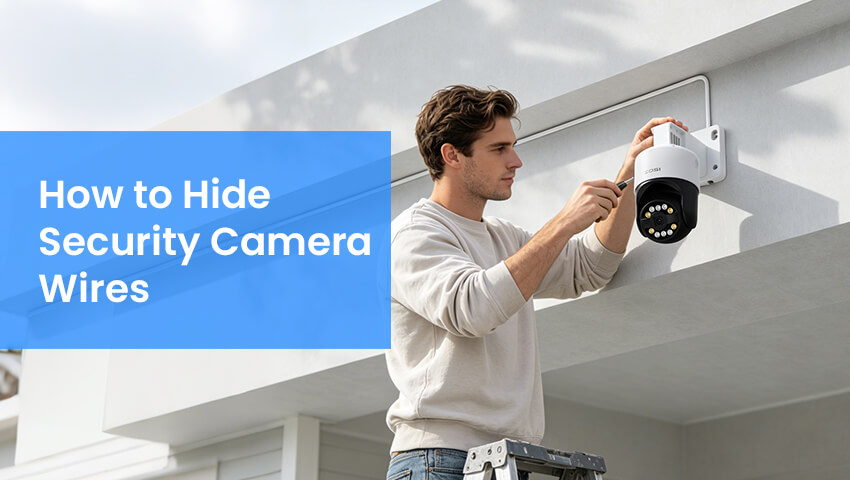
Outdoor security cameras are an essential part of protecting your home, driveway, garage, or business. However, after installing your cameras, one common challenge remains: how to hide security camera wires outside.
Exposed cables can make your installation look messy and unfinished. More importantly, outdoor wires are constantly exposed to rain, sunlight, temperature changes, and accidental damage. In some cases, visible cables may even become a weak point if someone attempts to cut or disconnect them.
Fortunately, with proper planning and cable management techniques, you can create a cleaner, safer, and more durable security camera installation.
Whether you are installing a PoE security camera system, WiFi camera, or wire-free security camera, this guide will explain the best ways to hide outdoor camera wires while keeping your system reliable and easy to maintain.
Contents
Why Should You Hide Security Camera Wires Outside?
1. Improve the Appearance of Your Property
A security camera system should protect your property without making it look cluttered. Loose cables hanging along walls, fences, or ceilings can affect the overall appearance of your home or business.
By hiding wires with conduits, cable covers, or smart routing methods, you can create a cleaner installation that blends naturally with your property’s design.
2. Protect Wires from Weather Damage
Outdoor cables must withstand challenging conditions, including:
Rain and moisture
Strong sunlight and UV exposure
Extreme temperatures
Wind and dust
Over time, exposed cables may become brittle, cracked, or damaged. Water entering cable connections can also cause signal interruptions or camera failures.
Proper cable protection helps extend the lifespan of your security system and reduces maintenance needs.
3. Prevent Cable Damage and Tampering
Security cameras are designed to protect your property, but exposed wires may create an easy target for accidental or intentional damage.
Hidden and protected cables are:
More difficult to cut or unplug
Less likely to be damaged by animals or outdoor activities
Better protected from harsh weather
A well-managed cable installation improves both security and reliability.
Before Hiding Security Camera Wires Outside: Plan Your Installation
Before choosing a cable hiding method, take some time to plan your installation.
1. Choose the Best Camera Locations
Start by selecting camera positions that provide the best coverage, such as:
Front door and entryways
Driveway
Garage
Backyard
Side entrances
Outdoor storage areas
A shorter and more direct cable route will make installation easier and reduce visible wiring.
2. Measure the Cable Route
Measure the distance between your camera location and recording equipment before installation.
Remember to leave some extra cable length for:
Camera angle adjustments
Future maintenance
Possible repositioning
Avoid leaving excessive cable loops outside, as they can make the installation look untidy.
3. Choose the Right Cable Protection
For outdoor installations, always use suitable accessories, including:
Outdoor-rated Ethernet cables
Weatherproof cable connectors
Cable conduits
Cable clips
Waterproof junction boxes
The right protection method depends on your camera type and installation environment.
8 Ways to Hide Security Camera Wires Outside
1. Install Outdoor Cable Conduit for Maximum Protection
Using cable conduit is one of the most effective ways to hide and protect outdoor security camera wires.
A conduit is a protective tube that surrounds the cable, helping shield it from rain, sunlight, impact, and other outdoor hazards.
For most home installations, PVC conduit is a popular choice because it is:
Affordable
Lightweight
Weather-resistant
Easy to install
For commercial properties or areas where cables may face physical damage, metal conduit provides stronger protection.
When installing conduit, secure it properly along walls or ceilings using mounting straps. Plan the shortest cable path possible and avoid sharp bends that may put stress on the cable.
This method works especially well for PoE security cameras, where one Ethernet cable carries both power and video data. The conduit keeps cables organized and makes future maintenance easier.
Best for:
Exterior walls
Long cable runs
Areas with harsh weather
Commercial installations
2. Use Cable Raceways for a Clean Installation
Cable raceways are another popular solution for hiding outdoor security camera wires.
Unlike conduit, raceways usually feature a removable cover, making it easier to access cables later. They are ideal for homeowners who want a cleaner appearance without making major changes to the property.
Cable raceways can be installed:
Along walls
Around corners
Under ceilings
Near doors and windows
Many raceways are paintable, allowing you to match them with your home’s exterior color so they become less noticeable.
They are especially useful when multiple camera cables run together because they keep everything organized instead of leaving several cables exposed.
While raceways may not provide the same level of protection as heavy-duty conduit, they offer a good balance between appearance, convenience, and cable management.
Best for:
Residential homes
Garages
Finished exterior walls
3. Route Wires Through Walls or Ceilings
Running cables through walls is one of the cleanest ways to hide security camera wires.
Instead of leaving cables outside, you can drill a small opening behind the camera and route the cable through:
Interior walls
Attics
Ceilings
Crawl spaces
This keeps most of the cable hidden and protects it from outdoor conditions.
For PoE camera installations, routing Ethernet cables inside walls can significantly reduce exposure to UV rays and moisture.
After passing cables through walls, always seal openings with weatherproof silicone or exterior-grade sealant. This prevents water leaks, drafts, and insects from entering your home.
Although this method requires more planning and installation work, the final result looks professional and provides excellent long-term protection.
4. Hide Wires Behind Gutters, Trim, and Existing Structures
Sometimes the easiest way to hide outdoor camera wires is to use the existing features of your property.
Common hiding locations include:
Behind gutters
Under roof edges
Along fascia boards
Behind corner trim
Along fence posts
These areas naturally conceal cables while keeping installation simple.
Use UV-resistant cable clips to secure wires neatly and prevent them from hanging loose. Make sure cables are positioned away from areas where water collects during rainfall.
This method works especially well when only a small section of cable needs to be hidden between the camera and the entry point into your home.
Advantages:
Low cost
Easy installation
Minimal modification to your property
5. Cover Wires with Paintable Cable Covers
Paintable cable covers are a simple way to improve the appearance of exposed security camera wires.
These covers create a smooth channel around the cable and can be painted to match:
Exterior walls
Brick surfaces
Siding
Trim
They are especially useful around visible areas such as:
Front entrances
Porches
Garages
Besides improving appearance, cable covers also provide basic protection against dust, sunlight, and minor impacts.
When selecting cable covers, choose products designed for outdoor use and secure them properly to prevent loosening from wind or temperature changes.
6. Route Cables Through Attics, Basements, or Crawl Spaces
One of the best ways to reduce visible outdoor wiring is to keep cables indoors whenever possible.
Instead of running cables across exterior walls, bring them inside through a small entry point and route them through:
Attics
Basements
Crawl spaces
This approach provides several benefits:
Less exposure to weather
Better protection from tampering
Cleaner exterior appearance
Easier cable management
This method is particularly useful for homes with multiple outdoor cameras because all cables can be organized in one central location before connecting to an NVR or network equipment.
7. Protect Connections with Waterproof Junction Boxes
Cable connections are often the most vulnerable part of an outdoor security camera installation.
Even if your cable is weather-resistant, exposed connectors may allow water or dust to enter.
A waterproof junction box helps protect:
Ethernet connectors
Power connections
Cable extensions
It also keeps extra cable neatly stored instead of hanging below the camera.
For PoE cameras, a junction box is especially useful because it protects the RJ45 connection from moisture and corrosion.
A properly sealed connection ensures stable power and video transmission even in challenging outdoor environments.
8. Choose Wireless or Wire-Free Security Cameras
If you want to minimize visible wiring, wireless or battery-powered cameras can simplify installation.
WiFi security cameras reduce the need for long Ethernet cable runs, while battery-powered and solar-powered cameras eliminate many wiring challenges completely.
They are ideal for locations where traditional cable installation is difficult, such as:
Backyard fences
Detached garages
Sheds
Rental properties
However, remember that some wireless cameras still require power cables. Any remaining cables should still be hidden using cable covers, clips, or other protection methods.
For homeowners who want a flexible installation with fewer visible wires, wire-free security cameras are an excellent option.
How to Hide Different Types of Security Camera Wires
PoE Security Camera Cables
PoE cameras use Ethernet cables to transmit both power and data.
Recommended solutions:
Use outdoor-rated Ethernet cables
Install cables inside conduit
Protect RJ45 connectors with waterproof boxes
WiFi Security Camera Power Cables
WiFi cameras usually require power connections.
To hide power cables:
Route them through walls when possible
Use outdoor cable covers
Keep adapters protected from rain
Analog Security Camera Cables
For analog cameras with separate power and video cables:
Bundle cables together
Use cable sleeves or raceways
Avoid leaving connectors exposed
Common Mistakes When Hiding Outdoor Security Camera Wires
1. Using Indoor Cables Outdoors
Indoor cables are not designed for constant exposure to sunlight and moisture. Always choose outdoor-rated cables for exterior installations.
2. Leaving Cable Connections Exposed
Even weatherproof cameras can experience problems if connectors are not protected.
Always use waterproof solutions for cable joints.
3. Creating Difficult Cable Routes
Avoid hiding cables in places that make future maintenance impossible.
Leave access points where needed for troubleshooting or upgrades.
4. Installing Without Testing First
Before permanently securing cables, test:
Live view
Recording
Night vision
Remote access
This prevents unnecessary reinstallation later.
FAQs
Can I bury security camera wires underground?
Yes, but do not bury standard cables directly in soil. Use outdoor-rated or direct-burial cables inside waterproof conduit to protect them from moisture, pests, and physical damage.
What is the easiest way to hide security camera wires outside?
Cable raceways and outdoor conduits are usually the easiest solutions. They are simple to install, protect cables from weather, and create a cleaner appearance.
Can I hide security camera wires without drilling?
Yes. You can use adhesive cable clips, cable covers, or existing structures like gutters and trim. Wireless and battery-powered cameras are also good options when you want minimal wiring.
How do I protect outdoor security camera cables from rain?
Use outdoor-rated cables, waterproof junction boxes, and sealed cable entry points. Protecting connectors is especially important because water damage often starts at cable connections.
Should PoE camera cables be placed inside conduit?
Yes. Conduit adds extra protection against UV rays, moisture, animals, and accidental damage, helping extend the lifespan of PoE camera installations.
Conclusion
Hiding security camera wires outside is an important part of creating a clean, reliable, and long-lasting surveillance installation. Proper cable management not only improves the appearance of your property but also protects your camera system from weather damage and potential tampering.
Whether you choose cable conduit, raceways, wall routing, waterproof junction boxes, or wireless camera solutions, the best method depends on your property layout, camera type, and installation needs.
For homeowners and businesses looking for easier installation, ZOSI offers a wide range of security solutions, including PoE security camera systems, WiFi cameras, and battery-powered security cameras designed for reliable protection with flexible installation options.
By combining the right security camera with proper wire management, you can enjoy a cleaner setup, better durability, and dependable surveillance protection all year round.