
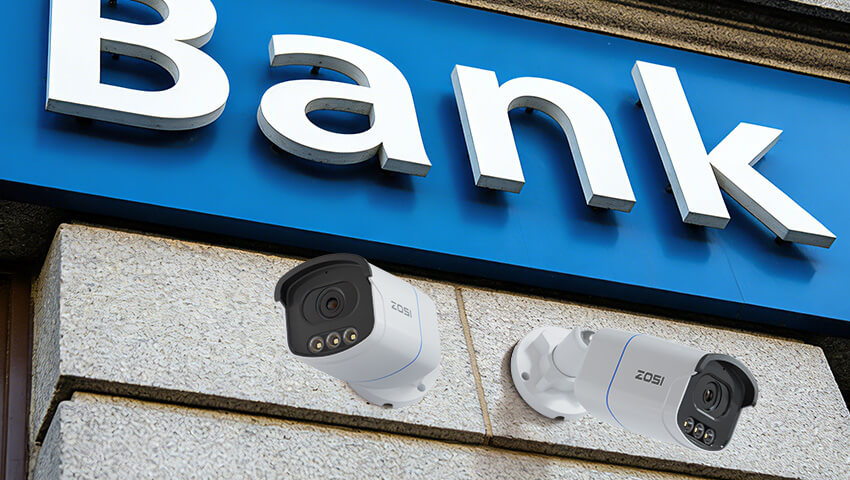
In today’s world, security is more critical than ever, especially in the banking sector. Banks handle vast amounts of cash, sensitive personal information, and critical financial transactions daily. Protecting these assets requires more than just physical security measures such as guards and alarm systems. Modern banks rely heavily on security cameras, also known as surveillance or CCTV (Closed-Circuit Television) systems, to monitor their premises and ensure the safety of their staff, customers, and property. Bank security cameras have evolved significantly over the years, incorporating advanced technology such as high-definition video, facial recognition, motion detection, and remote access. This blog will explore the top things to know about bank security cameras, their types, features, placement strategies, and the role they play in maintaining a secure banking environment.
Contents
Types of Bank Security Cameras
Bank security cameras come in various types, each serving different purposes. The most common types include:
Dome Cameras: These cameras are dome-shaped and are usually mounted on ceilings. They are discreet, making it difficult for people to tell which direction the camera is facing. Dome cameras are ideal for monitoring teller counters, entrances, and lobby areas.
Bullet Cameras: Shaped like a cylinder, bullet cameras are more noticeable than dome cameras. They are often used outdoors because they provide a clear, long-range view and are usually weatherproof. Banks use bullet cameras to monitor parking lots, ATMs, and external entrances.
PTZ (Pan-Tilt-Zoom) Cameras: PTZ cameras can rotate horizontally, tilt vertically, and zoom in on specific areas. This flexibility allows security personnel to actively monitor and track suspicious behavior across different areas of the bank.
Hidden or Covert Cameras: These cameras are designed to blend into the environment and are often concealed in objects like clocks, smoke detectors, or even pens. They are used to monitor areas without alerting potential criminals.
High-Definition and 4K Cameras: Modern banks increasingly use HD and 4K cameras to capture detailed images. Higher resolution ensures that facial features, license plates, and other critical details are visible, which is essential for investigations.
Essential Features of Bank Security Cameras
A good bank security camera system should include several key features:
High Resolution: High-resolution cameras are crucial for capturing clear images, especially in identifying faces and other important details. Cameras with at least 1080p resolution are recommended, but 4K cameras provide even greater clarity.
Night Vision: Banks are vulnerable to robberies outside regular business hours. Night vision or infrared cameras allow for continuous monitoring in low-light or dark environments.
Motion Detection: Motion detection reduces the need to review hours of footage by alerting security staff when movement occurs in specific zones. This feature is particularly useful for after-hours monitoring.
Remote Access: Many modern security cameras allow bank managers and security teams to access live or recorded footage remotely through mobile devices or computers. This ensures that even off-site personnel can respond quickly to potential threats.
Facial Recognition and AI Integration: Advanced bank cameras now include AI-based features such as facial recognition, suspicious behavior detection, and automated alerts. These technologies help identify known criminals, prevent fraud, and improve overall security efficiency.
Data Storage and Backup: Security footage must be securely stored for future reference or legal requirements. Banks typically use a combination of on-site DVR/NVR systems and cloud-based storage to ensure data safety.
Strategic Placement of Bank Security Cameras
Installing security cameras effectively is as important as choosing the right cameras. Proper placement ensures maximum coverage and reduces blind spots. Key areas for camera installation in banks include:
Entrances and Exits: Cameras should monitor all points of entry and exit, both for customers and staff. This placement captures everyone entering or leaving the premises.
Lobby and Teller Areas: High-traffic areas like lobbies and teller counters should be under constant surveillance. Dome cameras are ideal for these locations because they provide a wide-angle view while remaining discreet.
ATM and Drive-Thru Areas: These areas are often targeted by criminals and require high-resolution cameras with night vision capabilities to capture clear images regardless of lighting conditions.
Vaults and Cash Handling Areas: Surveillance cameras in vaults, cash counting rooms, and safe deposit areas help monitor sensitive operations and prevent internal theft.
Parking Lots and Perimeter: Outdoor cameras should cover parking lots, driveways, and the bank perimeter to monitor any suspicious activity before individuals enter the building. Bullet cameras with wide coverage are commonly used in these areas.
Maintenance and Regular Monitoring
Having advanced cameras is not enough. Regular maintenance and monitoring are essential to ensure the system operates effectively.
Key maintenance practices include:
Regular Testing: Cameras should be tested periodically to confirm that they are recording correctly and that the image quality is sufficient.
Firmware Updates: Updating camera software ensures that the latest security patches and features are applied, protecting the system from cyber threats.
Cleaning and Physical Inspection: Outdoor cameras can accumulate dirt, dust, or debris, affecting image quality. Routine cleaning and inspection help maintain clear footage.
Security Team Monitoring: Dedicated personnel should monitor live feeds and respond to alarms promptly. Banks often have a combination of in-house security teams and external monitoring services.
Legal and Privacy Considerations
Banks must also consider legal and privacy issues when installing surveillance systems. Laws vary by region, but common considerations include:
Notice and Signage: Informing customers and staff that the premises are under surveillance is often legally required. Clear signage can help deter criminal activity.
Data Protection: Banks must handle footage carefully, storing it securely and limiting access to authorized personnel only. Data breaches can lead to legal liability and reputational damage.
Retention Policies: Security footage should be retained for a period consistent with local regulations, usually ranging from 30 to 90 days, or longer if required for investigations.
Benefits of Bank Security Cameras
The advantages of installing security cameras in banks are significant:
Crime Prevention and Deterrence: Visible cameras act as a deterrent to criminal activity, reducing the likelihood of robberies or fraud.
Evidence Collection: Recorded footage provides valuable evidence for law enforcement and legal proceedings. High-resolution video can help identify perpetrators accurately.
Operational Monitoring: Beyond security, cameras help monitor employee performance, customer service, and operational efficiency.
Customer Confidence: A well-monitored bank builds trust and confidence among customers, knowing their money and personal information are protected.
Conclusion
Bank security cameras are an essential component of modern banking security. From dome and bullet cameras to AI-powered facial recognition systems, these devices play a critical role in preventing crime, protecting assets, and ensuring the safety of both employees and customers. Effective placement, regular maintenance, and adherence to legal and privacy guidelines maximize the benefits of surveillance systems. As technology continues to advance, banks will increasingly rely on intelligent, high-resolution cameras with advanced features to safeguard their operations. Understanding the types, features, and best practices of bank security cameras is crucial for anyone involved in financial security or property protection. With the right camera systems in place, banks can maintain a secure environment and foster trust in their services.
Related Posts
 How to Set Up Security Cameras: Top 7 Things to Know Before Installation
  Top 7 Benefits of Using Security Cameras in a Retail Store
  How Long Do Security Cameras Record: Easy Formula to Calculate & Top Things to Know
  Top Two-Way Audio Security Cameras: 2025 Buyer’s Guide
  Top 6 Rural Home Security Solutions: How to Secure a Secluded, Rural Home