In the age of technological advancements, security cameras have become essential components for safeguarding homes and businesses. From preventing theft to monitoring activity, these devices offer peace of mind and increased security. However, one of the most common debates surrounding security cameras is whether they should be on 24/7. In this blog, we will explore the concept of 24/7 surveillance, examine the pros and cons of keeping security cameras running all the time, and weigh the trade-off between power consumption and protection.
Contents
What Does 24/7 Mean?
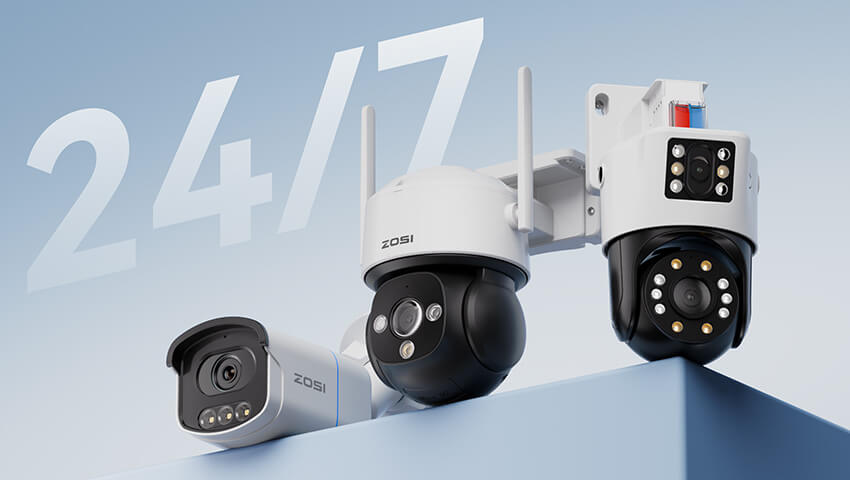
Before diving into the discussion, it’s important to understand what “24/7” refers to. The term “24/7” stands for “24 hours a day, 7 days a week,” meaning continuous, uninterrupted service or operation. When it comes to security cameras, this means the cameras are always on, recording or monitoring at all times without breaks, regardless of whether there is activity in the area. Many people assume that keeping cameras on 24/7 is the best way to ensure maximum security. But is it really necessary?
The Case for 24/7 Surveillance
There are several compelling reasons why many people choose to keep their security cameras running 24/7.
1.Constant Monitoring for Maximum Protection
The primary argument for leaving security cameras on all the time is to ensure that no security breach goes unnoticed. With continuous recording, you have a complete history of everything that happens around your property. If a break-in or any suspicious activity occurs, the footage can be accessed immediately to help authorities track down the culprit. This is especially important for businesses that need to monitor their premises at all hours, as crimes can happen at any time, including during the night when no one is around.
2.Deterrence Factor
Security cameras act as a deterrent to criminal activity. When criminals see that a property is equipped with visible cameras, they are less likely to attempt a break-in. A camera that is on 24/7 sends a clear message: “You’re always being watched.” For properties that are more likely to be targeted, such as stores, warehouses, or homes in high-crime areas, this continuous surveillance can help reduce the likelihood of incidents.
3.Peace of Mind
Having the security cameras running at all times provides peace of mind to homeowners and business owners. Whether you’re at home or away, knowing that your property is under constant surveillance can be reassuring. This is particularly true for individuals with families or expensive assets that need extra protection.
The Drawbacks of 24/7 Surveillance
While the benefits are clear, there are also significant downsides to running security cameras 24/7.
1.High Power Consumption
Security cameras that are running continuously consume electricity, which can lead to higher utility bills. Although modern cameras are relatively energy-efficient, keeping them on non-stop still adds up over time, especially if you have multiple cameras installed. This is an important factor for businesses or homeowners on a tight budget, as the long-term costs can become a concern.
2.Storage Issues
Continuous recording requires a lot of storage space. Footage from security cameras can take up massive amounts of data, which means you will need to have a robust storage solution in place. The need to back up or archive data can also create added complexity in managing the system.
3.Potential Overload of Footage
With continuous monitoring, you end up with hours of footage to sift through. In the event of an incident, searching through hours of irrelevant footage can be time-consuming and inefficient. This could lead to delays in identifying important events, especially if the system lacks smart features like motion detection or facial recognition.
4.Wear and Tear
Just like any other electronic device, security cameras can experience wear and tear from continuous operation. Running cameras 24/7 may shorten the lifespan of the device, leading to potential malfunction or the need for costly repairs or replacements. While modern cameras are designed to be durable, over time, even the best systems can degrade from constant use.
Alternatives to 24/7 Surveillance
Not every situation requires security cameras to be on around the clock. There are several alternatives that can balance power usage with effective protection.
1.Motion Detection and Smart Cameras
Many modern security cameras come with built-in motion detection features, which means they only record when movement is detected. This significantly reduces power consumption and storage requirements. With smart cameras, the system can automatically turn on and start recording only when necessary, ensuring you’re not wasting energy. Additionally, some cameras can send alerts to your phone or email when movement is detected, allowing you to monitor events in real-time.
2.Scheduled Recording
Another solution is to schedule the camera to only record during certain hours. For example, you can set the cameras to record only at night when you’re not around, or during business hours if you’re concerned about theft while your business is closed. This option gives you flexibility and can help cut down on the energy costs associated with running cameras 24/7.
3.Hybrid Systems
Some systems allow for a hybrid approach, where the cameras are only actively recording during certain hours but still offer live viewing or motion-triggered alerts 24/7. This can be a good compromise between power savings and ensuring you’re alerted to any potential issues.
4.Camera with Cloud Storage and Efficient Backup
Cloud storage options are growing in popularity, especially for users who need continuous recording but don’t want to deal with the hassle of local storage. These systems often come with built-in features to optimize storage, such as overwriting old footage once a certain threshold is met or prioritizing important events.
Conclusion
The decision to keep security cameras on 24/7 is ultimately a balance between power consumption and protection. While having cameras running continuously offers the peace of mind that comes with constant surveillance, it also introduces challenges in terms of power usage, storage, and potential wear on the equipment. Thankfully, modern technology offers alternatives, such as motion detection, scheduled recording, and cloud storage, which can help reduce the costs and drawbacks while still providing effective security.
In conclusion, whether or not to leave security cameras on 24/7 depends on your individual needs and circumstances. For some, the benefits of constant protection outweigh the drawbacks, while others may find that smarter, more energy-efficient alternatives provide sufficient security without the extra costs.
Related Posts