We all lock our doors before bed — but is that enough? Understanding when and where most robberies occur at night helps homeowners take smarter steps to protect their property and family. Nighttime burglaries follow patterns that can be studied and prevented.
At ZOSI, we believe awareness is the first line of defense. This article explores when most robberies happen, where they typically occur, and how to protect your home effectively — especially during those vulnerable late-night hours.
Contents
Nighttime Burglary Patterns
According to police reports and crime studies, most home robberies occur between 10:00 PM and 4:00 AM, with activity peaking between midnight and 3:00 AM.
These are the hours when:
• Streets are quiet and visibility is low.
• Homeowners are asleep.
• Security patrols are minimal.
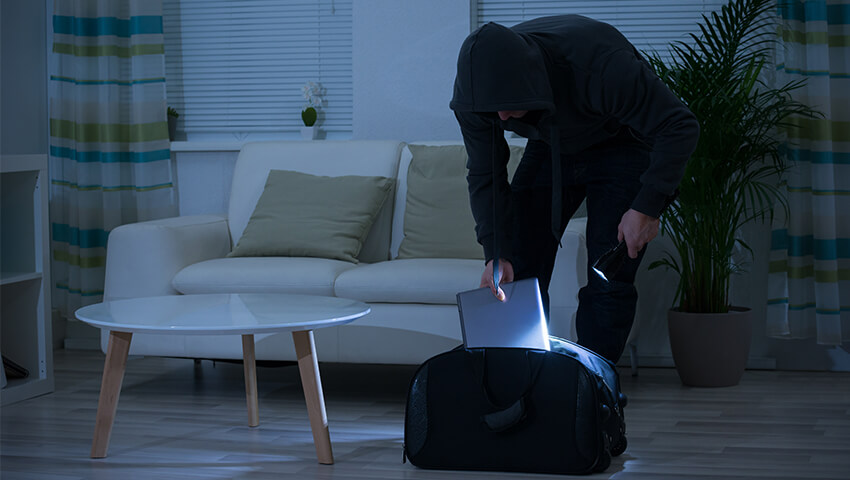
While more break-ins overall may happen in the daytime (when houses are empty), nighttime burglaries tend to be more deliberate and invasive. Suburban and rural homes are especially vulnerable because they’re more isolated and have less street lighting.
Why Certain Hours Are Targeted
Criminals choose their timing strategically to minimize risks. Here’s why late-night hours are often their prime window:
• Low visibility: Darkness conceals faces and movement.
• Quiet surroundings: With little noise outside, intruders can move undetected.
• Predictable routines: Lights go off, blinds close, and cars are parked for the night.
• Reduced confrontation risk: Most people are deeply asleep between midnight and 3 AM.
• Weather cover: Rain, fog, or snow provide natural sound and visibility barriers.
Where Do Burglaries Typically Take Place?
Understanding where burglars tend to strike is just as important as knowing when. Common target areas include:
• Front doors: Easy access and often poorly lit or left unlocked.
• Back and side doors: Hidden from the street, offering privacy to intruders.
• Ground-floor windows and sliding doors: Simple to pry open or lift from tracks.
• Garages: Contain valuable tools and sometimes offer entry into the house.
• Outbuildings and sheds: Store bikes, tools, or ladders that burglars can use.
• Driveways and parked vehicles: Opportunistic thefts are common if valuables are visible.
• Alley or rear entrances: Ideal for concealed access in urban neighborhoods.
• Apartments and condos: Shared hallways and low-traffic corners make certain units vulnerable.
Each entry point has its own weak spots — and knowing them helps you secure them better.
Signs Your Home Might Be at Risk at Night
Your home may be more attractive to burglars if it has:
• Poor or inconsistent exterior lighting.
• Hidden access paths (bushes, fences, or side alleys).
• No visible security cameras or signs.
• Weak locks or open entry points.
• Predictable lighting schedules.
• Packages or valuables visible from the street.
Even small upgrades, like trimming plants near windows or installing a motion sensor, can reduce your exposure significantly.
How to Protect Your Home During Peak Robbery Hours
When it comes to securing your home, strategy matters. Strengthening every key area — from your front door to your backyard — ensures 24/7 protection.
1. Install Visible Security Cameras
A visible camera instantly makes your home less appealing to intruders.
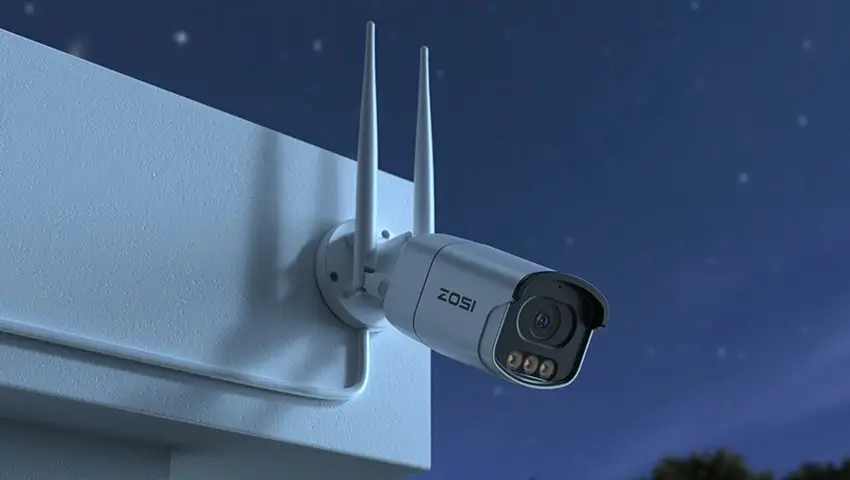
• Choose cameras with color night vision and AI-powered motion detection (like ZOSI’s night vision series) to distinguish between people, vehicles, and animals.
• Position them near front and back doors, garages, and key windows to cover main approach routes.
• Angle cameras to capture both the entry point and the intruder’s face or license plate level.
2. Add Motion-Activated Lighting
Light is one of the simplest, most effective deterrents.
• Install floodlights near driveways, side paths, and entrances.
• Use warm lighting around front doors to make your home appear active even late at night.
• Combine lights with cameras for clear nighttime footage.
3. Reinforce Entry Points
Doors and windows are the weakest links.
• Use solid-core or metal doors with reinforced frames.
• Add deadbolts and anti-lift locks on sliding doors.
• Secure windows with auxiliary locks or glass-break sensors.
• For garages, install smart openers and internal deadbolts to prevent forced entry.
4. Protect by Location (Integrated Tips)
Each area of your property needs targeted defense:
• Front/Back Doors: Keep well-lit, lock properly, and install a visible camera above or beside the door.
• Windows/Sliding Doors: Use extra locks and sensors, keep curtains closed at night, and avoid large shrubs near them.
• Garages & Sheds: Lock doors and remove tools that burglars could use to break in. A motion light or compact outdoor camera here works wonders.
• Driveways: Point a camera toward parked cars and use a motion light to catch movement instantly.
• Side/Rear Entrances: These are often ignored—make sure they’re just as secure as the front.
5. Use Smart Home Monitoring
Modern security cameras, such as ZOSI’s WiFi 6 and PoE systems, allow you to:
• View live footage remotely from your smartphone.
• Receive instant alerts for suspicious movement.
• Communicate through built-in two-way audio.
This gives you peace of mind whether you’re home or away.
6. Simulate Occupancy
Timers or smart plugs can turn on interior lights or TVs intermittently, making your house appear occupied even late at night.
7. Stay Connected with Your Neighborhood
A community that looks out for one another is safer. Encourage neighbors to report suspicious activity, keep lights on at shared pathways, and coordinate on camera coverage.
What Else Affects Nighttime Burglary Risk?
Several environmental and social factors play a role:
• Season: Longer nights in winter mean more cover for intruders.
• Location: Secluded or dimly lit homes face higher risk.
• Economy: Property crimes often increase during economic downturns.
• Security Placement: Cameras that are too high or angled poorly can miss critical details like faces or license plates.
FAQs
Q1: Why do most burglaries happen at night?
Because darkness offers natural cover and most people are asleep. Fewer witnesses and predictable routines make it easier for burglars to act unnoticed.
Q2: Are homes with lights on less likely to be targeted at night?
Yes. Well-lit homes appear occupied and make it harder for intruders to hide. Motion-activated lights or smart bulbs that mimic daily activity are strong deterrents.
Q3: What are the best ways to prevent nighttime burglaries?
Use security cameras with color night vision, keep entry points locked, and install outdoor lighting. Visible cameras and real-time alerts significantly reduce break-in attempts.
Conclusion
Most burglaries happen between 10:00 PM and 4:00 AM, when darkness and predictability give criminals the upper hand. But with smart planning and technology, homeowners can easily turn the tables.
From securing entry points to installing AI-enhanced, color night vision cameras like those from ZOSI, every preventive measure adds a layer of protection. The goal isn’t to live in fear — it’s to sleep peacefully knowing your home is well defended.
Because when you can see clearly at night, you stay safer — and so does everything you care about.