
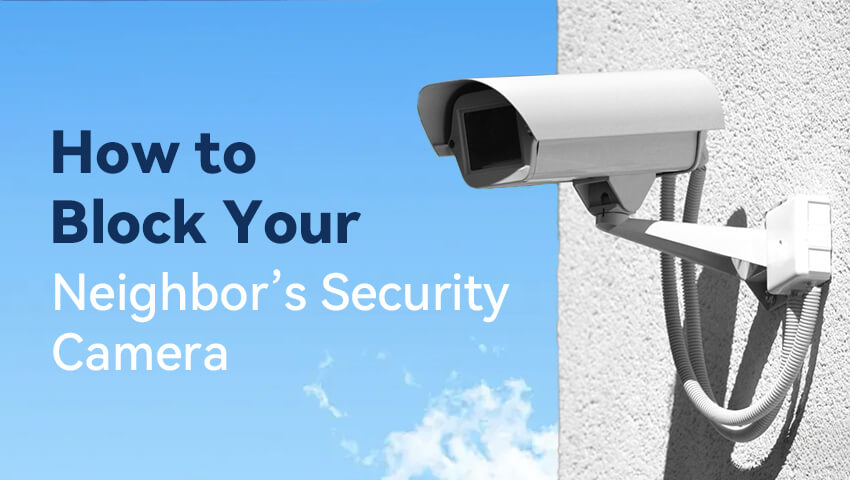
Introduction
In today’s world, home security cameras are becoming increasingly common. While these devices can enhance safety, they sometimes raise privacy concerns—especially when a neighbor’s camera captures parts of your property or private space. Feeling watched can be uncomfortable, and many homeowners wonder how to block a neighbor’s security camera safely without breaking the law or damaging property.
This guide explores legal considerations, safe techniques, and alternative solutions to protect your privacy effectively.
Contents
Is It Legal to Block a Neighbor’s Security Camera?
Before taking any action, it’s important to understand the legal landscape. The laws surrounding security cameras and privacy vary depending on your location, but some general principles apply:
1.Recording Your Property vs. Invasion of Privacy:
Your neighbor is generally allowed to monitor their own property. However, if the camera points directly into your windows or captures areas meant to be private (like your backyard or bedroom), you may have legal grounds to request changes.
2.No Property Damage:
Physically tampering with or destroying someone else’s camera is illegal and can lead to criminal charges or civil lawsuits.
3.Audio Recording:
In many regions, recording audio without consent is strictly regulated. If your neighbor’s camera includes audio, this can complicate legal issues.
If you’re unsure about local rules, consult your city or county regulations or speak to a legal professional.
Signs Your Neighbor’s Camera Is Infringing on Your Privacy
Not every security camera pointing in your general direction constitutes a violation. Here’s how to identify when a camera is crossing privacy boundaries:
Camera Angle and Coverage: Check if the lens is directed at private areas like windows, patios, or your backyard.
Field of View: Most modern cameras have wide-angle lenses. Even if a camera is pointed slightly away, it may still capture your property.
Evidence of Recording: Look for visible wires, lights, or infrared LEDs. Motion detection lights or notifications may indicate recording is active.
Documenting these observations can be useful if you need to negotiate with your neighbor or involve authorities.
Safe and Effective Ways to Block Neighbor’s Security Cameras
Blocking a camera doesn’t have to involve confrontation or illegal methods. Several safe techniques can protect your privacy:
1.Landscaping Adjustments
Planting trees, shrubs, or tall hedges can naturally block a camera’s line of sight. Opt for evergreen plants to ensure year-round coverage.
2.Privacy Screens and Curtains
Indoors, consider blackout curtains, blinds, or window films that prevent anyone from seeing inside. Outdoor privacy screens or trellises can shield decks or patios from unwanted views.
3.Anti-Glare or Reflective Films
Applying reflective films to windows reduces visibility from outside while maintaining natural light inside your home.
4. Outdoor Décor
Strategically placed umbrellas, pergolas, or tall planters can obstruct camera angles without appearing confrontational.
5.Monitor Coverage Zones
Installing your own security camera or using motion sensors can help you understand exactly what areas are being recorded, allowing targeted privacy measures.
These solutions are non-destructive, cost-effective, and minimize conflicts with neighbors.
Common Mistakes to Avoid When Blocking Neighbor’s Cameras
Attempting to physically or electronically interfere with a camera can lead to serious consequences. Here’s what not to do:
— Don’t Use Lasers or Bright Lights: Shining high-powered lights or lasers can damage the camera’s sensor and is considered vandalism.
— Don’t Paint or Cover the Camera: Any direct contact with the camera is illegal.
— Avoid Aggressive Confrontations: Threatening your neighbor or tampering with equipment can escalate disputes and may involve law enforcement.
Sticking to non-intrusive methods ensures your privacy without risking legal trouble.
Alternative Privacy Solutions and Communication Tips
Sometimes the simplest solution is a conversation:
1.Talk to Your Neighbor
A polite discussion explaining your privacy concerns can go a long way. Most neighbors will be willing to adjust the camera angle if they understand your perspective.
2.Mediation
If direct communication fails, community mediation or neighborhood dispute resolution services can help find an amicable solution.
3.Legal Routes
If the camera violates privacy laws, documenting the situation and contacting local authorities or homeowners associations may be necessary.
4.Monitoring Devices
Installing your own cameras can help you track any potential overreach while also protecting your property.
FAQs
Q: Can I legally point my own camera back at theirs?
A: No. Pointing cameras directly at a neighbor’s property can be considered harassment or invasion of privacy. Keep cameras focused on your own property.
Q: Is it illegal if their camera captures part of my yard?
A: Laws vary by location. If the camera captures areas intended for private use, you may have legal recourse. Consult local privacy laws.
Q: What if I feel unsafe because of a camera?
A: Document the camera’s position, talk to your neighbor, and if necessary, involve law enforcement or legal advisors.
Q: How can I tell if the camera is actually recording me?
A: Look for indicator lights, infrared LEDs, or test its field of view from different angles. Motion-activated cameras often have visible cues.
Conclusion
Privacy in your own home is essential, and a neighbor’s security camera can feel intrusive. The key is to act safely, legally, and diplomatically. By using non-destructive methods—such as landscaping, window treatments, or décor—and maintaining open communication, you can protect your privacy without causing conflict.
Remember, tampering with equipment or taking aggressive measures is illegal and may escalate disputes. Focus on legal, effective solutions and explore community or legal channels when necessary.
By combining safe blocking techniques with communication and monitoring strategies, you can reclaim your private space while maintaining neighborly relations.
Related Posts
 Can Your Neighbor Have Security Cameras Pointed at Your House?
  How to Block Neighbors Security Camera: Useful and Practical Tips
  Trail Camera vs. Security Camera, Which is Better for Home Security?
  Unsecured IP Camera – Make Sure Your Security Camera Is Not On This List?
  Security Light with Camera: Enhance Your Outdoor Security