In today’s fast-paced logistics and storage industry, warehouses are more than just storage spaces—they are critical hubs in supply chains. With the growing value of goods stored and the need for operational efficiency, warehouse security has become a top priority for business owners and managers. One of the most effective tools to safeguard a warehouse is the installation and proper use of security cameras. Beyond theft prevention, modern surveillance systems can enhance operational efficiency, ensure employee safety, and provide valuable insights into warehouse processes. This blog explores practical tips for using security cameras in warehouses, helping businesses maximize security and operational effectiveness.
Contents
Choose the Right Type of Security Cameras
Warehouse environments vary widely, from small storage facilities to massive multi-floor logistics centers. Selecting the right type of security camera is crucial.
– Dome Cameras: Ideal for indoor coverage. Their design makes it difficult for intruders to see where the camera is pointing, which can deter theft. They are also resistant to tampering and dust.
– Bullet Cameras: Suitable for monitoring long aisles or outdoor areas. Their long-range lenses allow for clear images even from a distance.
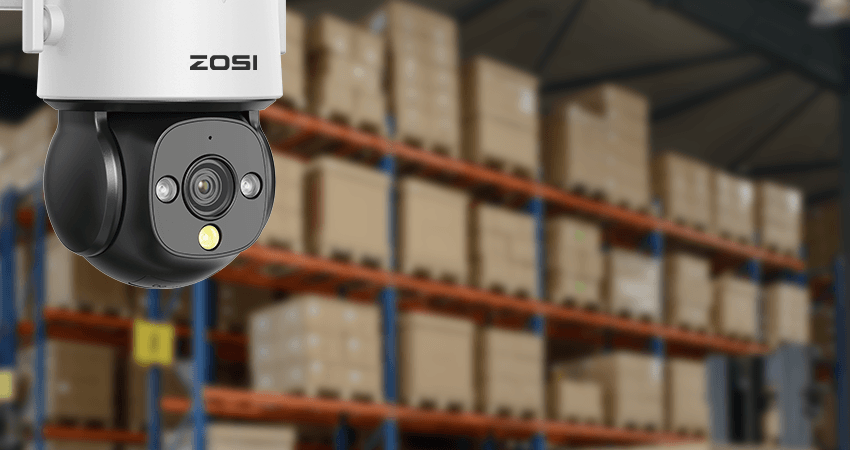
– PTZ (Pan-Tilt-Zoom) Cameras: PTZ cameras can rotate and zoom, providing flexible surveillance over large areas. They are especially useful for monitoring loading docks and entrances.
Selecting cameras based on warehouse layout, lighting conditions, and coverage needs ensures maximum efficiency.
Strategically Position Cameras
Placement is as important as the type of camera. Poorly positioned cameras can leave blind spots and reduce security effectiveness. Consider the following tips:
– Entrances and Exits: These are the primary points of vulnerability. Install cameras at all doors, gates, and loading docks.
– High-Value Areas: Monitor storage areas containing expensive products or sensitive materials.
– Common Workspaces: Placing cameras in areas where employees frequently handle goods helps monitor workflow and ensure safety compliance.
– Blind Spots: Identify corners, behind shelving units, and areas hidden from natural sight lines. Ensure these spots are covered.
Using a combination of overhead and angled cameras can provide overlapping coverage, reducing blind spots.
Use High-Quality Video and Storage Solutions
The effectiveness of a security system depends on the clarity and reliability of its footage. Poor-quality cameras can render footage unusable in case of an incident.
– Resolution: Opt for cameras with at least 1080p resolution. Higher resolution (4K) is preferable for identifying faces or license plates.
– Frame Rate: A higher frame rate ensures smoother video, which is helpful for analyzing fast-moving incidents like accidents or theft.
– Storage: Decide between on-site and cloud storage. On-site storage is faster but can be compromised if the facility is breached. Cloud storage offers remote access and redundancy.
Regularly check and maintain storage systems to avoid overwriting important footage before it is reviewed.
Ensure Proper Lighting and Environmental Conditions
Cameras require adequate lighting to capture clear images. Warehouses often have poorly lit areas or variable lighting conditions.
– Install additional lighting in dark corners or aisles. Motion-activated lights can also deter intruders.
– For areas exposed to weather, select cameras rated for outdoor use and capable of withstanding temperature fluctuations and moisture.
– Dust and dirt can degrade camera performance; regular cleaning and maintenance are essential.
Investing in environmental protection ensures consistent performance of security cameras.
Implement Remote Monitoring
One of the biggest advantages of modern surveillance cameras is remote access. Managers can monitor warehouse activities in real-time from any location using smartphones, tablets, or computers.
– Remote monitoring allows quick response to suspicious activity.
– Alerts and notifications can be configured to detect motion, unusual activity, or unauthorized access.
– Integration with alarms and access control systems enhances overall security.
Remote access not only strengthens security but also reduces the need for on-site monitoring personnel, saving costs.
Train Staff and Establish Protocols
Security cameras are only as effective as the people who use them. Proper staff training and protocols are essential:
– Train employees to use monitoring software and respond to alerts.
– Establish clear procedures for reviewing footage in case of theft, accidents, or disputes.
– Encourage a culture of transparency where employees understand that cameras are for security and operational efficiency, not personal surveillance.
Clear policies help prevent misuse of surveillance and ensure compliance with legal regulations regarding employee privacy.
Regular Maintenance and System Updates
Like any technology, security cameras require regular maintenance to remain effective:
– Inspect cameras for physical damage and alignment.
– Update firmware to ensure security against cyber threats.
– Test backup systems and storage regularly.
– Replace outdated cameras with improved models when necessary.
A well-maintained system prevents blind spots and ensures reliable coverage over time.
Leverage Analytics for Proactive Security
Advanced security cameras offer analytics that goes beyond simple recording:
– Motion Detection: Alerts for unusual movement during non-working hours.
– Facial Recognition: Identifies unauthorized personnel entering restricted areas.
– Inventory Monitoring: Detects missing or misplaced items automatically.
These features allow warehouse managers to act proactively rather than reactively, preventing losses before they occur.
Conclusion
Security cameras in warehouses are far more than passive recording devices—they are essential tools for safeguarding valuable assets, improving operational efficiency, and ensuring employee safety. By carefully selecting camera types, strategically positioning them, ensuring high-quality footage, training staff, and performing regular maintenance, warehouse operators can maximize the benefits of surveillance technology. Regular upkeep and the use of analytics further enhance security and operational oversight. Ultimately, a well-planned and effectively implemented camera system provides peace of mind, reduces losses, and contributes to a safer, more efficient warehouse environment.