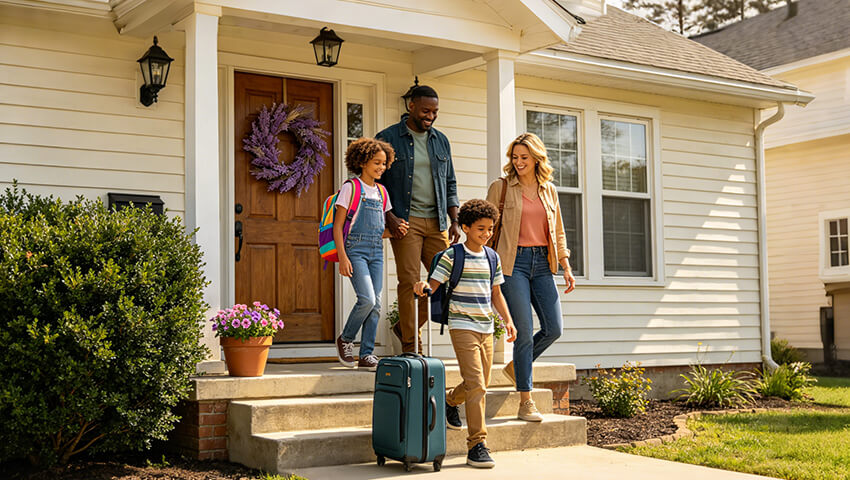
Planning a vacation is exciting. From booking flights and packing luggage to creating travel schedules, most people spend a lot of time preparing for their trip. However, one important step is often overlooked: making sure your home stays safe while you are away.
An empty home can create unique security risks. When there is no one inside to notice unusual activity, collect packages, or respond to unexpected situations, small issues can quickly become bigger problems.
Whether you are leaving for a weekend getaway, a family vacation, or an extended trip, preparing your home before departure can help reduce risks and give you greater peace of mind.
A good vacation security plan does not need to be complicated. It starts with a few simple checks:
– Making sure your security devices are working properly
– Securing all entry points
– Managing deliveries and mail
– Keeping your home appearance normal
– Staying connected through remote monitoring
By taking a few minutes before leaving, you can enjoy your trip knowing your home is better prepared while you are away.
Contents
Common Security Risks When Your Home Is Empty
When a home is occupied, everyday activity naturally creates a layer of protection. Lights turn on, doors open and close, vehicles come and go, and neighbors can see normal movement around the property.
When a home becomes empty, several vulnerabilities can appear.
1. Unnoticed Package Deliveries
Online shopping and home deliveries have become part of everyday life. However, packages left outside for hours can create an obvious security risk.
A package sitting at the front door may indicate:
– Nobody is currently home
– The property is unattended
– The entrance area is easily accessible
During vacation periods, this problem can become more common because homeowners may not notice deliveries until they return.
2. Delayed Response to Unexpected Events
When you are away, you cannot immediately respond to situations happening around your home.
Examples include:
– Unexpected visitors
– Suspicious movement near entrances
– Forgotten deliveries
– Problems around doors or windows
Without real-time awareness, homeowners may only discover problems after they return.
3. Environmental and Household Issues
Security is not only about preventing theft. Other situations may require attention while you are away:
– Severe weather conditions
– Unexpected visitors
– Outdoor activity near your property
– Issues with entry points
A reliable monitoring approach helps homeowners stay informed even when they are not physically present.
Lack of Real-Time Awareness
One of the biggest challenges of leaving home for vacation is losing visibility.
Traditional security methods often depend on discovering problems afterward. For example, you may notice a missing package, an unusual event, or a damaged entry point only after returning home.
Real-time awareness changes this experience by allowing homeowners to check what is happening while away.
A connected home security system can help provide:
– Live views of important areas
– Instant notifications about activity
– Remote access from a smartphone
– Recorded footage for reviewing events
The goal is not to constantly monitor your home while traveling. Instead, it is about having the ability to check in when needed.
For example, if a delivery arrives while you are away, you can quickly confirm what happened. If motion is detected near an entry area, you can review the situation instead of wondering what occurred.
Being informed quickly helps reduce uncertainty and allows homeowners to respond more effectively.
Visible Signs That Nobody Is Home
Many security risks come from simple signs that reveal a property may be empty.
Potential indicators include:
– Packages remaining outside for multiple days
– Lights never turning on at night
– Full mailboxes
– Closed curtains for extended periods
No visible activity around the property
These signs do not automatically mean a home is unsafe, but they can make an unattended property more noticeable.
Before leaving for vacation, homeowners can take simple steps to create a more normal appearance.
Helpful strategies include:
– Using automatic lighting schedules
– Asking neighbors to collect mail
– Arranging package delivery alternatives
– Having someone occasionally check the property
The goal is to avoid making your home look obviously empty.
Vacation Home Security Checklist: What to Check Before Leaving
Before closing the door and starting your trip, take a few minutes to complete a basic security check.
Check Your Security Cameras and Doorbell System
If you use security cameras or a video doorbell, confirm that everything is working correctly before leaving.
Check:
– Camera connection status
– Live video access
– Camera viewing angles
– Recording settings
– Night vision performance
A camera is only useful when it provides reliable coverage of important areas.
Pay special attention to:
– Front doors
– Back doors
– Driveways
– Garages
– Other common entry points
Make sure there are no new obstacles blocking the camera view.
Test Remote Access and Notifications
Many homeowners assume their devices will continue working without checking settings.
Before your vacation:
– Open the mobile app
– Confirm live viewing works
– Test motion alerts
– Check notification permissions
– Make sure your phone can receive alerts
A missed notification can reduce the effectiveness of your security system.
Check WiFi and Power Connections
Many smart security devices depend on stable internet connections.
Before leaving:
– Confirm your router is working properly
– Check that devices are online
– Ensure power connections are secure
If your internet connection stops while you are away, remote monitoring may no longer work.
Secure Doors, Windows, and Entry Points
Physical security remains one of the most important steps.
Before leaving:
– Lock all doors and windows
– Check garage doors
– Secure secondary entrances
– Remove spare keys from obvious locations
Many security problems happen because of simple oversights.
How to Keep Your Home Visible and Active While Away
A home that appears active is less likely to attract unwanted attention.
Use Smart Lighting
Automatic lighting schedules can create the appearance of normal activity.
Consider setting lights to:
– Turn on in the evening
– Switch off during normal sleeping hours
– Follow different schedules throughout the week
Consistent patterns appear more natural than leaving one light on continuously.
Manage Mail and Package Deliveries
Uncollected deliveries are one of the clearest signs that nobody is home.
Before leaving:
– Pause mail delivery when possible
– Ask neighbors to collect packages
– Redirect deliveries to secure locations
– Avoid scheduling important deliveries during your trip
Reducing unattended items around your entrance improves overall security.
Ask Someone You Trust to Check Your Home
A trusted neighbor, friend, or family member can provide an additional layer of protection.
They can:
– Check for unusual activity
– Collect packages
– Confirm doors are secure
– Notice problems you may miss remotely
Human observation combined with smart technology creates stronger protection.
How Smart Security Helps Protect Your Home While Away
Smart security tools are designed to help homeowners stay connected even when they are traveling.
Monitor Your Home Remotely
Remote access allows homeowners to check important areas whenever needed.
This can be useful for:
– Confirming deliveries
– Checking entry points
– Viewing outdoor areas
– Staying aware during long trips
Instead of wondering what is happening at home, you can quickly check.
Receive Alerts When Something Happens
Notifications help reduce the time between an event and your awareness.
Common alerts include:
– Motion detection
– Doorbell activity
– Unusual movement
– Entry activity
Quick awareness allows faster decisions.
Communicate Through Two-Way Audio
Two-way communication provides another useful layer of control.
Examples:
– Asking a delivery person to leave a package in a safer location
– Responding to unexpected visitors
– Communicating with family members
This feature helps homeowners interact with their property even from a distance.
Vacation Security Tips for Different Travel Situations
Short Weekend Trips
For short trips, focus on basic protection:
– Lock all entry points
– Confirm devices are online
– Enable notifications
– Check delivery schedules
Even a short absence deserves preparation.
Long Family Vacations
Longer trips require more planning.
Consider:
– Managing mail
– Creating lighting schedules
– Asking someone to check your home
– Reviewing security settings
The longer you are away, the more important preparation becomes.
Rental Homes or Second Properties
Properties that are not occupied regularly require additional attention.
Important steps include:
– Remote monitoring
– Checking entry points
– Watching for unexpected activity
– Maintaining reliable connectivity
A property you cannot visit frequently needs a stronger awareness strategy.
Common Mistakes People Make Before Leaving Home
Many vacation security problems happen because of small mistakes.
Common examples include:
Forgetting to Test Security Devices
A device that worked months ago may not be working today.
Always check before leaving.
Ignoring Notifications
Make sure alerts are enabled and your phone can receive them.
Leaving Packages Visible
Unattended packages can quickly attract attention.
Sharing Travel Plans Publicly
Posting detailed vacation schedules publicly may reveal that your home is empty.
Not Checking Camera Coverage
A camera pointing in the wrong direction may leave important areas unprotected.
A Simple Pre-Vacation Home Security Checklis
Before leaving for your trip, complete this quick checklist:
- Test cameras and doorbell devices
- Confirm remote access works
- Check WiFi and power connections
- Lock all doors and windows
- Manage mail and package deliveries
- Enable security notifications
- Set up lighting schedules
- Ask someone trusted to check your home if needed
These simple steps can make a significant difference.
Conclusion
A safe vacation begins before you walk out the front door.
Leaving your home unattended does not mean losing awareness. With proper preparation, homeowners can reduce risks, stay informed, and respond quickly if something unexpected happens.
The most effective vacation security approach combines simple habits with reliable monitoring:
– Secure physical entry points
– Reduce signs that nobody is home
– Stay connected through remote access
– Prepare for deliveries and unexpected activity
A few minutes of preparation before leaving can provide greater confidence throughout your entire trip.
Because the best time to protect your home is before a problem happens.
Related Posts