
Contents
Introduction
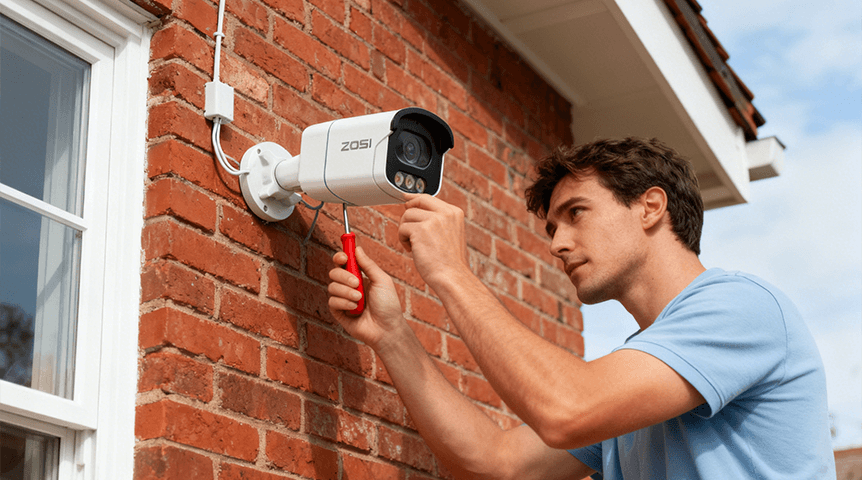
When it comes to ensuring the safety and security of your home or business, simply installing security cameras is not enough. The way these cameras are positioned, or the angles from which they capture footage, plays a crucial role in the effectiveness of your surveillance system. A well-thought-out camera angle can drastically improve visibility, reduce blind spots, and enhance your ability to monitor critical areas. This article explores the concept of camera angles, explains the best practices for setting them up, and highlights how proper positioning can maximize security coverage.
The Importance of Camera Angles in Surveillance
Camera angles determine the field of view and the amount of detail captured in a video feed. Poorly positioned cameras can miss key events or provide footage that is difficult to interpret. For instance, a camera pointing directly at a bright light source may produce a silhouette effect, making it impossible to identify individuals. On the other hand, a properly angled camera can capture faces, movements, and activities clearly, providing valuable evidence in case of an incident.
Surveillance cameras come in various types, including dome cameras, bullet cameras, and PTZ (pan-tilt-zoom) cameras. Each type has unique characteristics that influence the choice of angle. Dome cameras, often installed on ceilings, offer a wide view but require careful positioning to avoid blind spots. Bullet cameras, typically mounted on walls, provide long-range coverage but are more fixed in perspective. PTZ cameras are versatile and can be remotely adjusted to track movement, making the angle selection more flexible.
Choosing the Right Angle for Security Cameras
1.High Angles vs. Low Angles
A high angle allows a camera to cover a wide area and is ideal for monitoring entrances, driveways, and large open spaces. High placement reduces the likelihood of tampering or obstruction. However, too high an angle may miss fine details, such as facial features. Low angles can provide better identification but may be easier to block or manipulate. Finding the right balance depends on the purpose of the surveillance and the area being monitored.
2.Direct vs. Oblique Angles
Direct angles, where the camera faces an area head-on, are excellent for capturing faces and activity clearly. Oblique angles, where the camera is slightly tilted, can help reduce glare and reflections, especially near windows or shiny surfaces. Using a combination of direct and oblique angles often provides the most comprehensive coverage.
3.Corner and Wide-Angle Coverage
Installing cameras in corners can maximize coverage of a room or an outdoor space by capturing multiple perspectives. Wide-angle lenses are particularly effective in these positions because they reduce blind spots and capture larger areas in a single frame. However, wide-angle cameras can introduce distortion, making it important to consider placement carefully to avoid misrepresenting distances or proportions.
Common Camera Angle Mistakes to Avoid
Even with the best cameras, improper angles can reduce effectiveness. Some common mistakes include:
·Facing Windows or Bright Lights: Cameras facing strong light sources may produce silhouettes or washed-out footage.
·Too Close to the Subject: Placing a camera too near an area of interest can limit the field of view and miss other activities.
·Obstructed Views: Furniture, decorations, or trees can block cameras if angles are not properly planned.
·Ignoring Entry Points: Failing to cover doors, windows, or other access points can leave vulnerabilities in your security system.
Being aware of these pitfalls and adjusting camera angles accordingly ensures your surveillance system works effectively.
Tips for Optimizing Camera Angles
Test Before Final Installation: Temporarily mount the camera and check the coverage on a monitor or smartphone. Make adjustments until all critical areas are visible.
·Consider Motion Detection Zones: Align camera angles with areas where motion detection is most needed. Proper positioning enhances alerts and reduces false positives.
·Use Multiple Cameras Strategically: One camera alone may not cover all angles. Combining cameras with overlapping fields of view can eliminate blind spots.
·Adjust for Lighting Conditions: Cameras may need slight angle adjustments based on how sunlight, streetlights, or indoor lighting affects visibility throughout the day.
The Role of Camera Angles in Evidence Collection
In addition to real-time monitoring, camera angles are vital for capturing usable evidence. Clear angles allow law enforcement or security personnel to identify intruders, vehicles, or suspicious activities. Faces, license plates, and movements should be captured in sufficient detail, which requires careful planning of height, tilt, and direction. Cameras installed with thought to angle can make the difference between actionable footage and useless recordings.
Conclusion
Camera angles are a critical element of an effective security system. They influence what is visible, how clearly activities are captured, and how reliable the footage is for monitoring or evidence purposes. By understanding the different types of angles, avoiding common mistakes, and optimizing placement based on your specific needs, you can maximize the effectiveness of your surveillance system. Whether for a home, office, or large facility, thoughtful camera angle planning ensures you are always seeing the full picture and enhancing security where it matters most.
Related Posts
 Understanding Security Camera Warranty: Why It Matters
  Modem vs Router vs Switch: Understanding the Core of Your Security Camera Network
  Understanding Camera Resolution: A Complete Guide to 4K, 5K, 8K, and 10K Security Cameras
  Understanding PoE Pinout: The Backbone of Modern Security Camera Systems
  What Is the Highest Resolution? Understanding Ultra HD Technology and Its Future