
Contents
Introduction
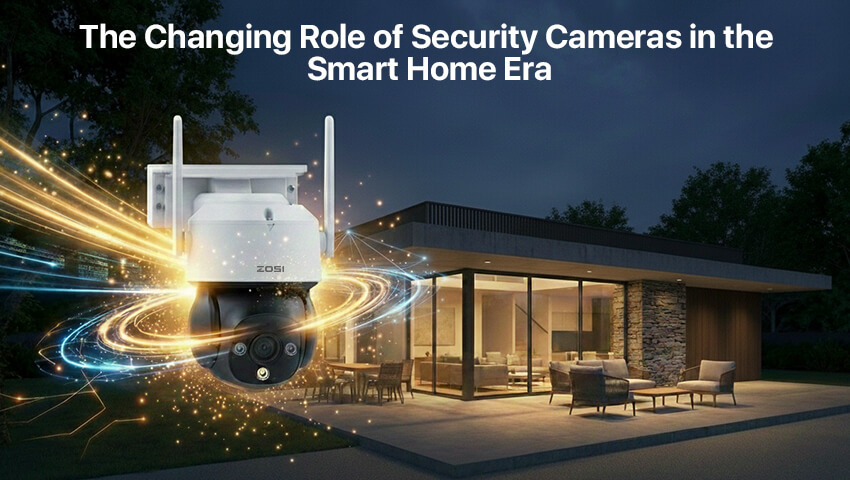
In recent years, security cameras have undergone a remarkable transformation. No longer limited to simple recording devices, modern cameras have become intelligent systems that actively protect homes, enhance safety, and provide peace of mind.
Once a passive tool used mainly for monitoring and reviewing events after they occur, security cameras today are equipped with advanced technologies such as artificial intelligence, cloud storage, and mobile connectivity. These advancements have redefined their role, turning them into proactive guardians that support everyday home security.
This article explores how the role of security cameras has evolved over time, the technologies driving this change, and what these developments mean for homeowners today.
From Traditional Surveillance to Smart Security
The Limitations of Traditional Security Cameras
Traditional security cameras were designed mainly to record footage for later review. These systems often required complex wiring, local storage devices, and manual operation. In most cases, footage was only checked after an incident had occurred, making traditional surveillance largely reactive.
In addition, early cameras lacked intelligence and flexibility. They could not distinguish between genuine threats and everyday activity, resulting in frequent false alarms caused by pets, shadows, or passing vehicles. This limited both their reliability and user trust.
The Shift Toward Smart Technology
Advancements in technology have significantly changed these limitations. Modern security cameras are now equipped with AI-powered detection, cloud connectivity, and mobile access, making them smarter, more responsive, and easier to use.
Today, cameras provide real-time monitoring and instant alerts, giving homeowners the ability to act proactively. This shift has transformed cameras from passive recording devices into active participants in home security.
Key Features Defining Smart Home Security Cameras
Artificial Intelligence and Smart Detection
Artificial intelligence is one of the most important innovations in modern security cameras. Current devices can accurately detect and differentiate people, pets, vehicles, and objects, reducing unnecessary alerts and ensuring notifications are sent only when relevant activity occurs.
Some advanced cameras also support facial recognition, enabling homeowners to identify familiar faces and detect strangers quickly. This intelligence adds an extra layer of security and situational awareness.
Real-Time Alerts and Remote Access
Smart security cameras are always connected, allowing users to access live footage from anywhere through mobile apps. When motion or unusual activity is detected, instant notifications are sent to the user’s smartphone.
This real-time functionality allows homeowners to respond immediately, whether to check on a delivery, communicate with a visitor through two-way audio, or contact authorities in an emergency.
Cloud Storage and Easy Access to Footage
Unlike traditional systems that rely on local storage, smart cameras use cloud-based solutions, ensuring footage remains secure even if the camera is damaged or stolen.
Cloud storage also makes reviewing, searching, and sharing footage easier, enabling users to quickly locate specific events based on time, type of motion, or subject detected.
Expanding Roles Beyond Security
Family Safety and Daily Monitoring
In the smart home era, security cameras are increasingly used for purposes beyond crime prevention. Many families use indoor cameras to check on children, monitor elderly family members, or observe pets when they are away.
This expanded functionality highlights how security cameras have become integral to everyday household management, not just emergency situations.
Security Cameras as Communication Tools
Modern cameras often come with built-in microphones and speakers, enabling two-way communication. Homeowners can speak directly to visitors, delivery personnel, or family members through the camera.
This feature adds convenience and helps manage situations even when the homeowner is not physically present, enhancing both safety and usability.
The Future of Security Cameras in Smart Homes
Looking ahead, the role of security cameras will continue to grow. Artificial intelligence will become more advanced, allowing even more accurate detection, smarter analysis of activity, and better anticipation of potential risks.
Security cameras are also expected to become more adaptive, learning from user behavior and environmental patterns to provide smarter, more personalized home security. Rather than functioning as standalone devices, future cameras will serve as intelligent hubs, coordinating with other systems to make homes safer and more efficient.
Conclusion
The smart home era has fundamentally transformed the role of security cameras. Once simple recording devices, they have evolved into intelligent, connected systems that actively protect homes, support daily activities, and enhance peace of mind.
Through AI-powered detection, real-time alerts, automation, and cloud-based accessibility, modern security cameras provide homeowners with greater awareness, control, and confidence. As smart homes continue to evolve, security cameras will remain a core component of home protection, playing an increasingly dynamic and essential role in modern living.
Related Posts
 Changing Room Cameras: Risks, Privacy & Safety Tips
 How to Set Up and Record Security Cameras Without a DVR/NVR Introduction
 Best Low Light Security Cameras: How to Choose the Right Surveillance Camera for Nighttime Protection Introduction
 Mesh WiFi Setup for Surveillance Cameras: A Complete Guide Introduction
 what is 4k resolution? Introduction