Contents
Introduction
Indoor security cameras have become an essential part of modern home security systems. Whether you want to keep an eye on your home while you’re away, protect valuables, or enhance overall safety, indoor cameras provide peace of mind through real-time monitoring and alerts. However, simply owning a security camera is not enough—proper placement is key to maximizing its effectiveness.
Installing a camera in the wrong location can lead to blind spots, poor image quality, or unnecessary alerts. Strategic placement, on the other hand, ensures better coverage, clearer footage, and more reliable security. In this article, we’ll explore the best places to install indoor security cameras and share practical tips to help you get the most out of your home surveillance system.
1. Entryways and Main Doors
One of the most important places to install an indoor security camera is near main entry points, such as the front door, back door, or any door leading outside.
Why entryways matter
Most break-ins occur through doors. A camera facing an entryway can capture:
·Faces of people entering or leaving
·The exact time of entry
·Suspicious behavior near the door
Installation tips
·Mount the camera 6–8 feet above the ground
·Angle it slightly downward for clear facial recognition
·Avoid pointing directly at strong outdoor light to reduce glare
Even if you already use outdoor cameras, indoor entryway cameras add a critical extra layer of security.
2. Living Room or Family Room
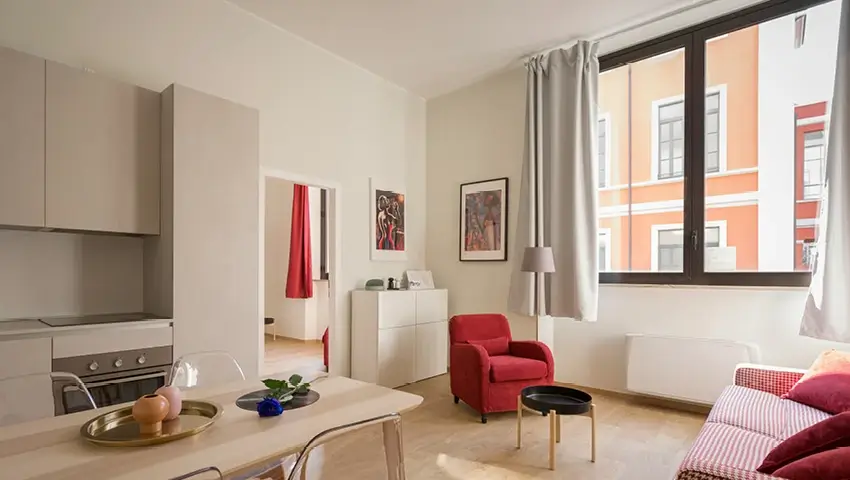
The living room is often the central area of the home, making it an ideal location for an indoor security camera.
Benefits of living room placement
·Covers a wide, open space
·Monitors high-value electronics and personal belongings
·Captures movement between connected rooms
Things to consider
·Place the camera in a corner for a wide field of view
·Keep it out of reach and away from obstructions
·Balance security needs with household privacy
A single camera in the living room can provide broad visibility across multiple areas.
3. Hallways and Corridors
Hallways serve as natural movement paths throughout the home and are excellent locations for indoor security cameras.
Why hallways are effective
·Most movement passes through them
·One camera can monitor access to multiple rooms
·Ideal for detecting unusual activity, especially at night
Best practices
·Install the camera high and centered for full coverage
·Use motion detection to reduce unnecessary alerts
·Avoid placing cameras near vents or frequently moving objects
Hallway cameras are especially useful for monitoring activity when the household is asleep.
4. Near Staircases
In multi-level homes, staircases are another high-priority monitoring area.
Advantages of staircase monitoring
·Tracks movement between floors
·Adds protection for upstairs private areas
·Helps detect intruders moving deeper into the home
Placement tips
·Position the camera to capture both upward and downward movement
·Ensure adequate lighting or night vision capability
·Avoid placing it too close to the steps to prevent motion blur
Staircase cameras significantly enhance security in homes with multiple floors.
5. Home Office or Study Room
With more people working from home, home offices often contain valuable equipment and sensitive materials.
Why secure your home office
·Protects laptops, documents, and electronics
·Monitors access when you’re away
·Helps prevent unauthorized entry
Key considerations
·Aim the camera at the room entrance, not computer screens
·Avoid recording confidential documents directly
·Use cameras with customizable privacy zones
This approach provides protection without compromising personal or professional privacy.
6. Areas with Valuables
Rooms used to store high-value items, such as safes, jewelry, or collectibles, are ideal locations for indoor security cameras.
Why these areas matter
·Provides video evidence in case of theft
·Acts as a visual deterrent
·Helps track access to restricted spaces
Installation tips
·Focus the camera on entry points rather than the items themselves
·Enable motion alerts for immediate notifications
·Choose cameras with cloud storage for secure video backup
7. Areas to Avoid
While effective placement is important, some areas should never have indoor security cameras installed.
Avoid these locations
·Bathrooms
·Toilets
·Any area where personal privacy is expected
Installing cameras in these spaces can raise serious privacy and legal concerns. Always prioritize ethical and responsible camera use.
Conclusion
Selecting the right locations for indoor security cameras is just as important as choosing the right devices. By focusing on high-traffic and high-risk areas such as entryways, living rooms, hallways, staircases, home offices, and rooms with valuables, you can greatly enhance your home’s security coverage. At the same time, avoiding private areas ensures your system remains respectful and compliant.
With thoughtful planning and strategic installation, indoor security cameras can serve as a powerful tool to deter intruders, monitor daily activity, and provide peace of mind—whether you’re at home or away. Proper placement turns your indoor camera system into a reliable and effective part of your overall home security strategy.