
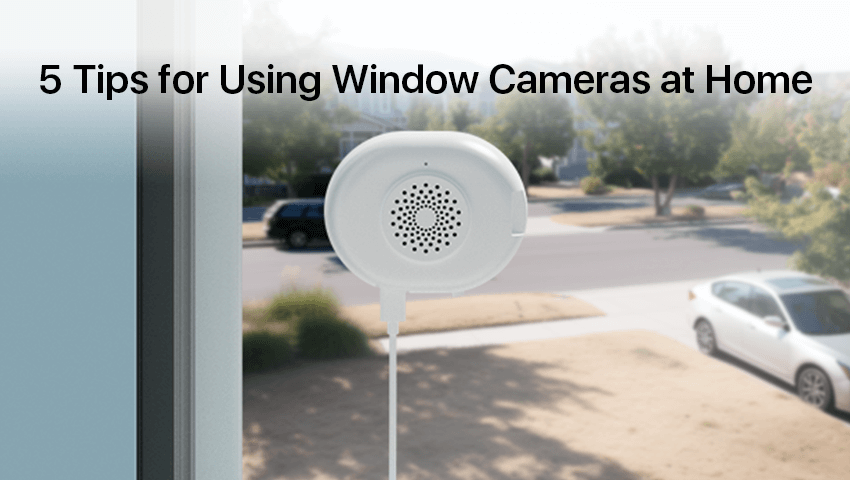
Keeping your home safe and secure is a top priority for every homeowner. Windows, often overlooked in home security plans, are one of the most vulnerable entry points for burglars. That’s where window security cameras come into play. These smart devices not only provide real-time monitoring but also act as a deterrent for potential intruders. In this guide, we’ll explore 5 must-know tips for using window security cameras at home to maximize safety and peace of mind.
Contents
Choose the Right Window Security Camera
Selecting the right security camera is crucial for effective home protection. Not all cameras are created equal, and the choice largely depends on your home’s layout and your specific security needs.
Types of Cameras:
Wired Cameras: These cameras offer reliable connectivity and often higher resolution. Ideal for permanent installations, they can cover key windows without worrying about battery life.
Wireless Cameras: Easy to install and flexible in placement, wireless cameras are perfect for renters or temporary monitoring. Ensure they have strong Wi-Fi coverage to avoid connectivity issues.
Indoor vs Outdoor Cameras: Indoor cameras can be placed behind windows to monitor exterior activity discreetly, while outdoor cameras are built to withstand weather conditions and provide more robust deterrence.
Smart Features: Look for cameras with night vision, two-way audio, and motion detection. High-resolution cameras (1080p or higher) provide clear footage, crucial for identifying potential intruders.
Practical Tip:If you live in an area prone to break-ins, consider a camera that blends indoor discreet monitoring with outdoor visibility, giving you a comprehensive overview of your windows.
Optimal Camera Placement for Maximum Coverage
Even the best camera is useless if it’s poorly positioned. The placement of your window security camera determines its effectiveness.
Best Locations:
Ground-floor windows: Most burglars target easily accessible windows.
Entry points: Any window near doors or walkways should be monitored.
Blind spots: Ensure cameras cover areas not visible from the street to avoid intruders exploiting hidden angles.
Placement Tips:
Height: Install cameras slightly above eye level for wider coverage and to prevent tampering.
Angle: Adjust the lens to minimize glare and reflections from sunlight. Tilt slightly downward to capture approaching activity.
Distance: Cameras should capture the full width of the window and any immediate surrounding area, ideally including the pathway or yard outside.
Pro Advice: Combining indoor cameras behind glass with outdoor cameras facing windows provides double-layer security, deterring intruders while ensuring footage clarity.
Leverage Motion Detection and Alerts
One of the most powerful features of modern window security cameras is motion detection. Motion-triggered cameras alert you instantly when unusual activity is detected.
Why It Matters:
Reduces unnecessary footage, saving storage space.
Sends real-time notifications to your phone or smart device.
Can trigger alarms or lights to scare off intruders.
Tips for Effectiveness:
Sensitivity Adjustment: Too sensitive, and you’ll get false alarms from pets or trees. Too low, and you may miss suspicious activity. Fine-tune according to your environment.
Zones: Some cameras allow you to define specific detection zones, focusing only on windows or entry points.
Integration: Connect with smart home systems, like alarms or lights, for automated responses when motion is detected.
Practical Example: A camera positioned to detect motion near a bedroom window at night can alert you immediately if someone is trying to enter, giving you valuable reaction time.
Regular Maintenance and Software Updates
Even the most advanced security camera won’t function properly without proper maintenance. Regular checks ensure your system remains effective over time.
Maintenance Checklist:
Clean the Lens: Dust or smudges on windows or lenses reduce clarity.
Check Power Sources: Ensure wired connections are secure and battery-operated cameras are charged.
Inspect Mounting: Verify that cameras remain stable and properly aligned.
Software Updates:
Regularly update firmware and mobile apps. Manufacturers often release updates that improve functionality, patch security vulnerabilities, and enhance features like motion detection.
Pro Tip: Schedule maintenance monthly to keep your window security cameras in optimal condition, ensuring continuous protection.
Secure Your Data and Privacy
A security camera is only effective if its data is protected. Without proper security, footage can be vulnerable to hacking.
Tips for Protecting Your Privacy:
Use strong, unique passwords for cameras and associated apps.
Enable two-factor authentication wherever possible.
Use encrypted cloud storage or secure local storage for recorded footage.
Regularly review who has access to your camera system.
Advanced Tip: For extra security, consider a dedicated network for your smart home devices, isolating cameras from your main Wi-Fi to prevent unauthorized access.
Conclusion
Windows are one of the most vulnerable points of entry in any home, but with the right security measures, you can significantly reduce risks. By choosing the right camera, placing it strategically, leveraging motion detection, performing regular maintenance, and securing your data, you can maximize the effectiveness of your window security cameras.
Investing in these smart security solutions not only protects your home but also gives you peace of mind, knowing your loved ones and property are safer. Start implementing these 5 must-know tips today, and turn your windows into a first line of defense against intruders.
Related Posts
 Must-Know Tips When Choosing Alexa-Friendly Security Cameras
  Window Cameras vs. Traditional Outdoor Cameras: Which Is the Better Fit for Your Home?
  Do Security Cameras Work through Glass or behind a Glass Window
  How to Burglar-Proof Your Home: Essential Security Tips
  Ultimate Guide to Alexa Commands: Tips, Tricks, and Smart Home Control